Q1 2026 Newsletter
A Message from the Field:
Strengthening Impact in a Challenging Climate
The first quarter of 2026 has been a period of both progress and adaptation. While our programs continue to expand and deepen their impact, we are also navigating rising operational challenges, particularly increasing fuel costs driven by global conflicts, which are significantly affecting transportation and outreach activities.
Despite these pressures, KCCO remains committed to delivering high-quality, sustainable programs that improve the lives of children and communities across Kampot, Kampong Speu, and Takeo provinces.
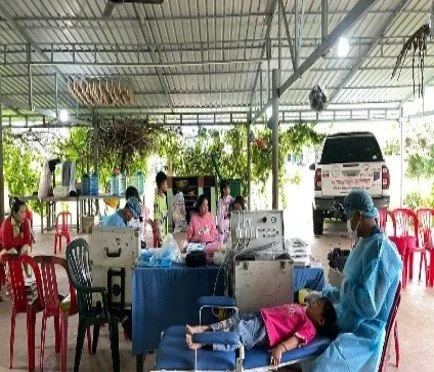
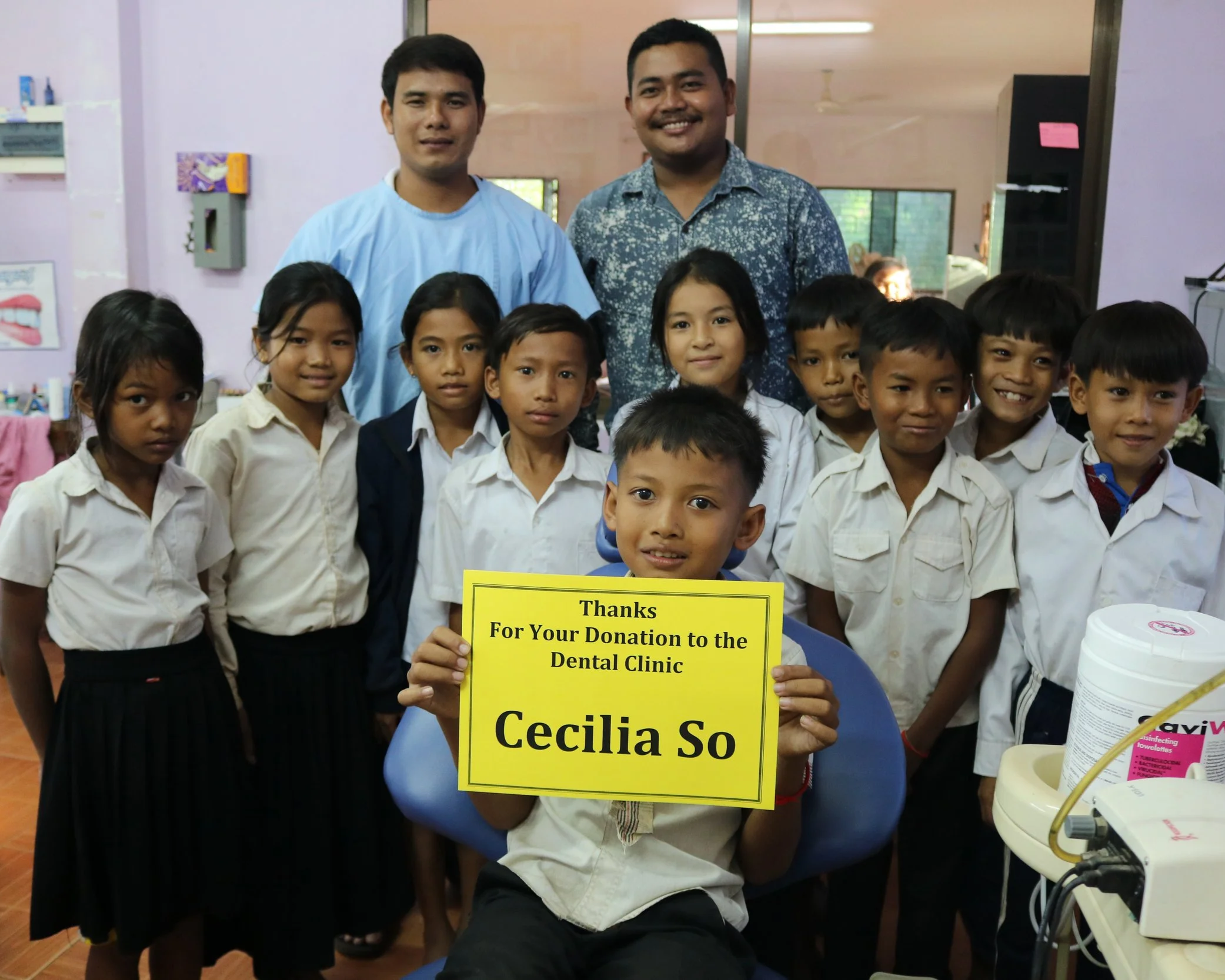
Mobile dental Clinic reaching remote area
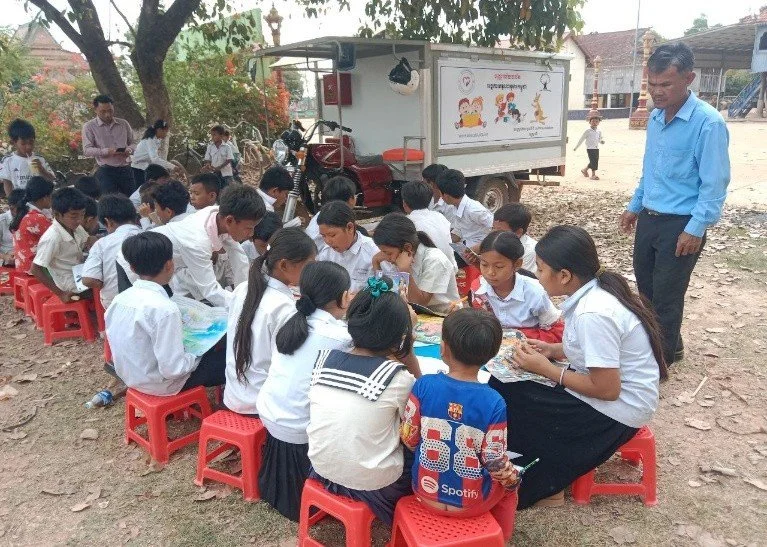
Mobile Library bringing joy of reading to the children
2026 IMPACT AT A GLANCE
From January to March 2026, your support has enabled:
Over 113,000 children to access safe drinking water across 300 schools
11,315 children to receive free dental care services
24,000 toothbrush kits distributed to children at target schools
Over 54,000 students reached through mobile libraries
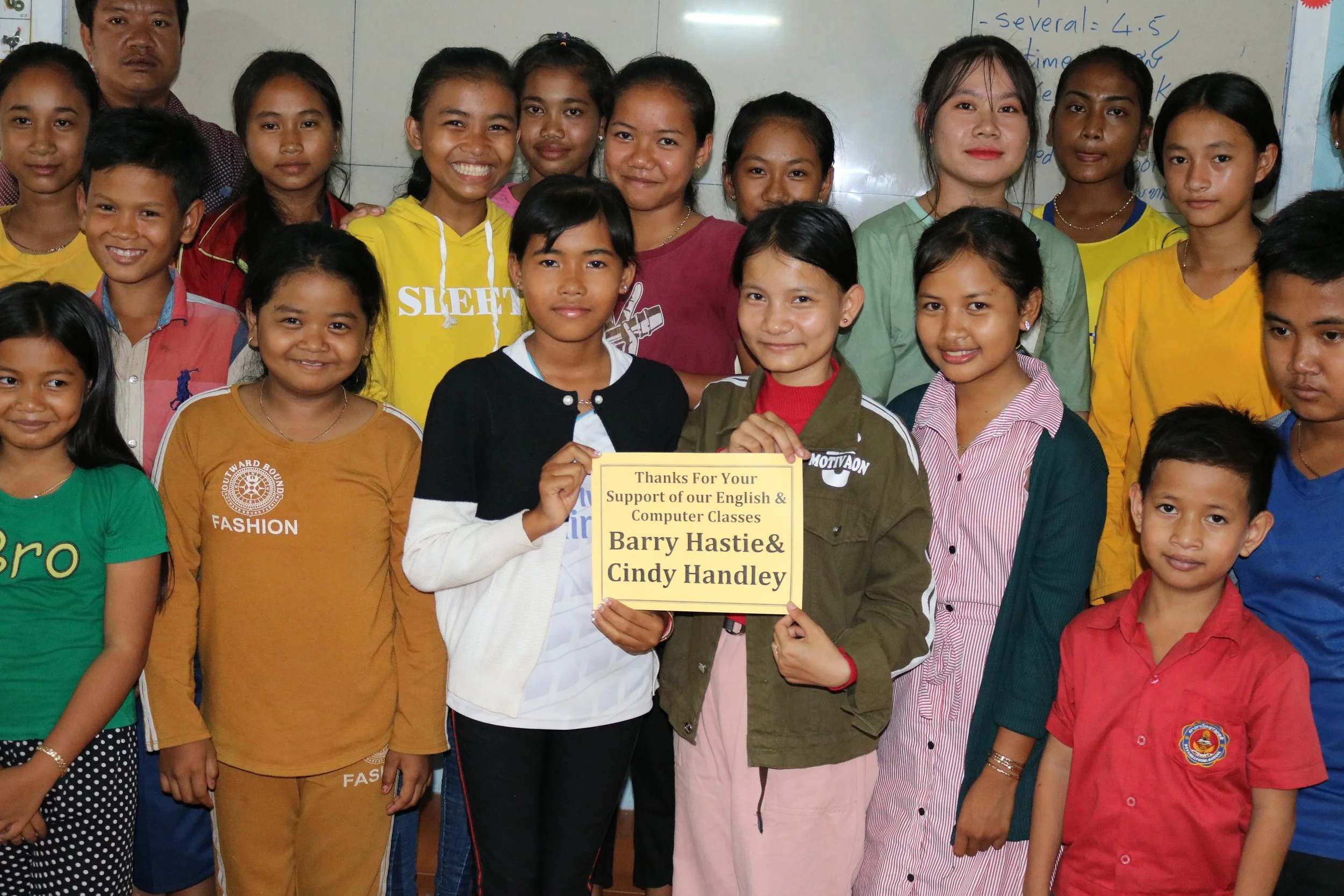
Over 2,000 students engaged in English, computer, preschool, and non-formal education
17 schools supported with improved sanitation facilities
20 schools now participating in the Model School Program
Key Challenge : Rising Fuel costs impacting outreach.
A growing challenge this quarter has been the sharp increase in petrol prices, largely influenced by ongoing global conflicts.
For KCCO, this has direct operational implications:
Mobile Dental Clinics (MDC) travelling to remote schools now incur significantly higher costs
Mobile Library services, which rely on regular travel across districts, are becoming more expensive to sustain
Monitoring and field visits for WASHH and education programs require careful scheduling to optimise fuel usage
While we have managed to maintain service delivery, these rising costs are reducing operational flexibility and may impact future expansion if not addressed.
Moving forward, we are:
Optimising travel routes and combining field visits
Prioritising high-impact locations
Exploring cost-sharing and efficiency measures
Your continued support is crucial to help us sustain outreach to the most remote communities.
PROGRAM HIGHLIGHTS
WASHH – Healthier Schools, Stronger Habits
Expanding Safe Water Access
All 300 target schools continued to receive safe drinking water through our Water Purification Systems (WPS), benefiting over 113,000 children.
92% of students now use personal water bottles
63% are using durable bottles, up from 53% in January
480 bottles donated and 1,467 distributed at cost to schools
Overall, 280 schools are performing well, while 20 schools require closer monitoring to improve maintenance and usage. A small number of schools also experienced temporary water shortages during the dry season, highlighting the ongoing need for reliable water supply solutions.
Students were also introduced to basic water quality awareness through pH testing, helping them better understand the importance of safe drinking water.
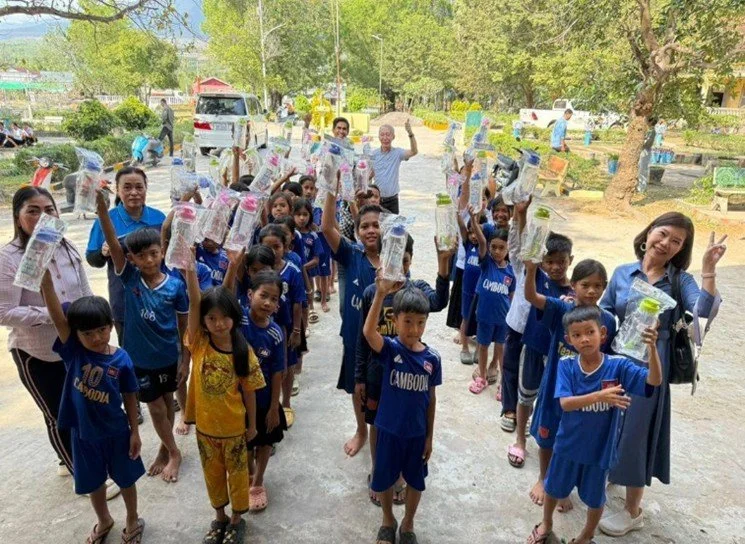
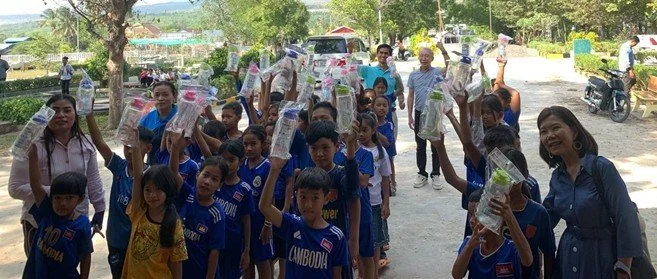
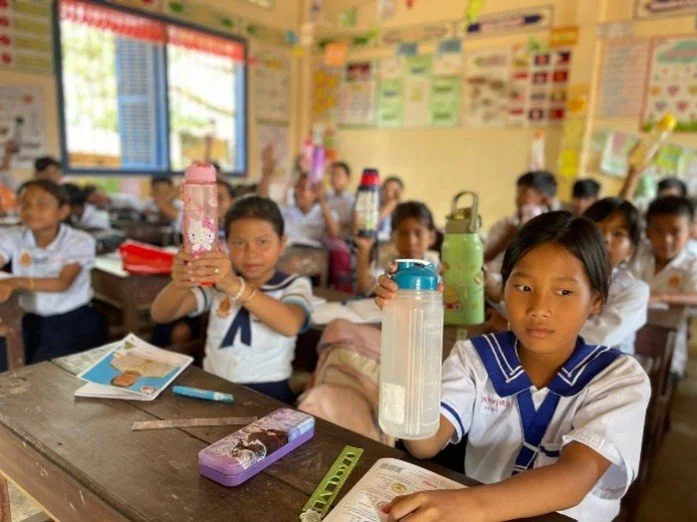
Andrew Cheah & his friend generously donated 480 water bottles to children at remote schools during their recent visit to Cambodia
A durable stainless steel water bottle costs just USD $1.50, but its impact lasts far beyond the classroom.
Unlike single-use bottles, these reusable bottles can be used every day at school and at home, allowing children to:
access safe drinking water throughout the day
bring clean water back home to their families
reduce reliance on unsafe or sugary drinks
help families save up to USD $25 per year (spending on bottled drinks)
build long-term healthy habits
$15 = 10 bottles | $75 = 50 bottles | $150 = 100 bottles
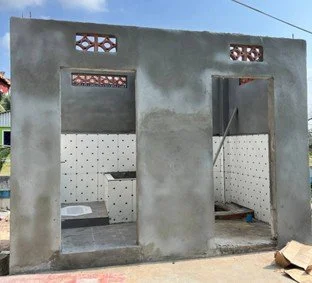
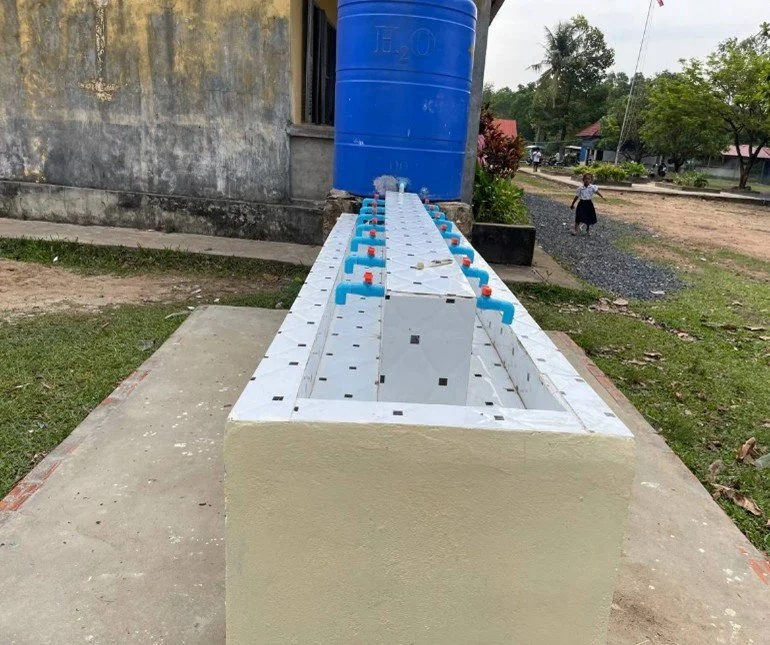
The progress of two-cubicle toilet and the hand-washing facility
2. Improving Sanitation & Hygiene
We supported 17 schools with new or upgraded facilities:
A two-cubicle toilet construction and 2 toilet renovations
5 handwashing stations
9 rubbish management systems
These improvements are creating cleaner, safer, and more dignified learning environments.
3. Driving Behaviour Change
School assessments highlighted ongoing challenges:
Sale of unhealthy food
Plastic waste management
In response, we conducted:
Food safety education for students and vendors
Workshops with school leaders and local authorities
Knowledge-sharing sessions between high-performing and lower-performing schools
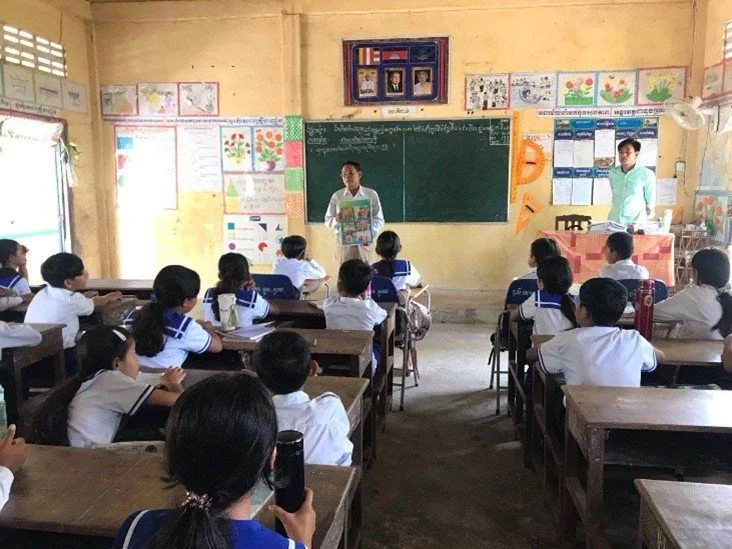
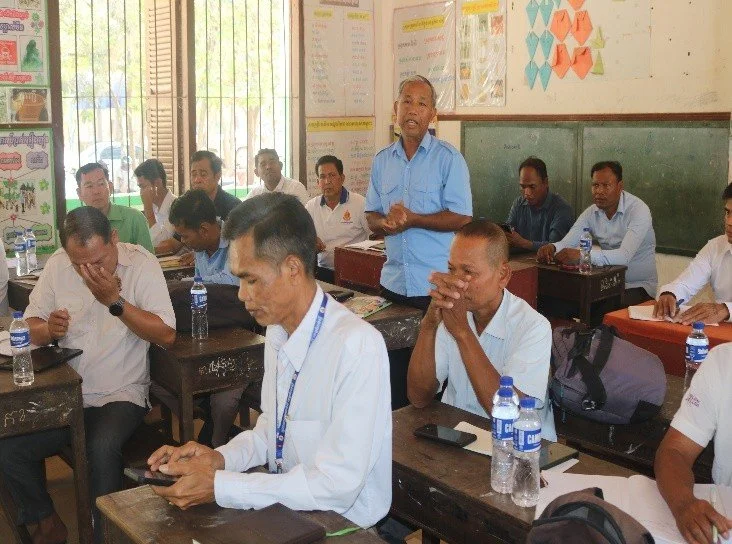
Education of food safety to children and meeting with principals of target schools
DENTAL HEALTH PROGRAM - A Strategic Shift Toward Prevention
With the launch of our 2026–2028 Dental Strategic Plan, we are focusing on quality over quantity.
Key Strategic Changes:
Reduced target schools to 78 for deeper impact
Introduced intensive and non-intensive school models (scheduled services twice a year for intensive and once a year for non intensive target schools)
Increased focus on Oral Health Education (OHE)
Quarter 1 Achievements
School Screening & Prevention
5,646 children screened
27% referred for further treatment, a slight decrease of 3% compared to last year
Strong emphasis on early intervention
2. Permanent Dental Clinics (PDC)
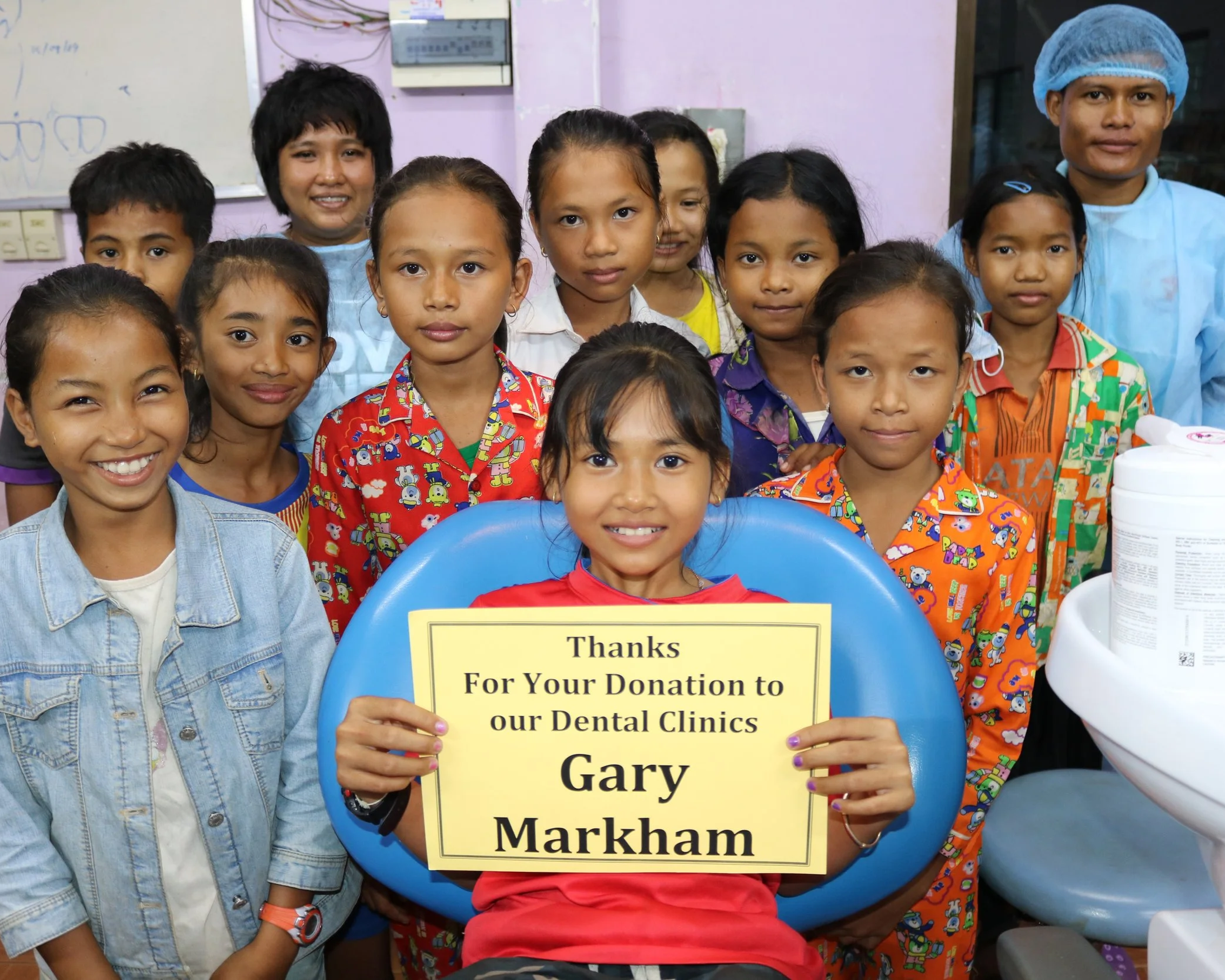
Our three permanent clinics treated 4,841 patients and delivered 14,536 procedures this quarter, with a continued shift toward preventive care.
Surgical treatments decreased from 39% to 32%, reflecting improved oral health outcomes.
We were also privileged to host international volunteers, including Sherri Simmonds, a dental nurse from Australia, who supported our clinical team and contributed to patient care and training.
Our clinics also supported practical training for dental nurse students, strengthening local capacity in oral healthcare
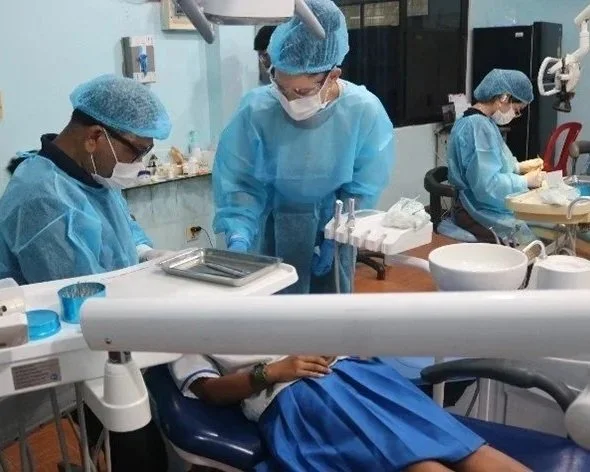
3. Mobile Dental Clinics (MDC)
2,532 children treated across 14 schools
4,052 procedures were carried out, of which, 62% were preventive and 38% were surgical treatments, suggesting overall improvement in children’s oral health
Fewer procedures compared to last year due to increased time spent on Oral Health Education (OHE), which we believe will lead to better long-term outcomes
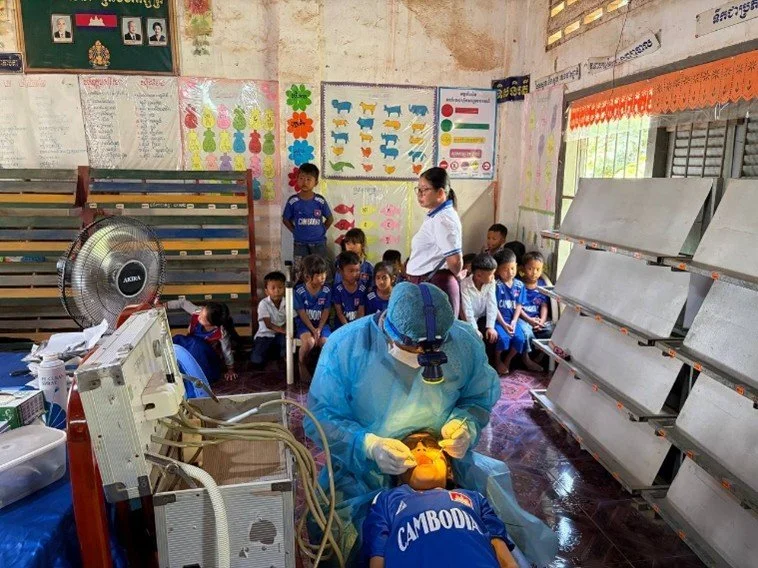
MDC at target schools in Kampong Speu and Kampot
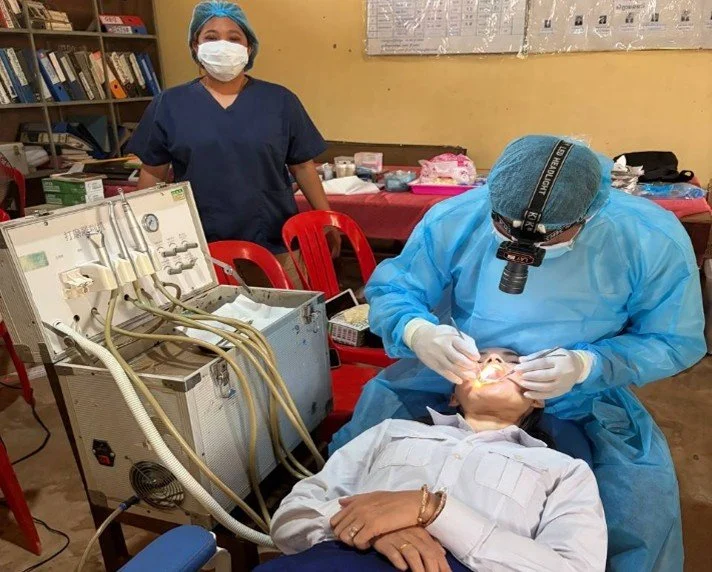
MDC doing dental screening at target schools
4. Oral Health Education (OHE)
With the launch of our 2026–2028 strategy, Oral Health Education (OHE) has been significantly strengthened through both school-based activities and community engagement.
OHE sessions are conducted at schools prior to screening and treatment visits
Teachers and key stakeholders are trained to reinforce oral health practices
Daily toothbrushing routines are implemented in schools
A key development this quarter is our collaboration with the Commune Committee for Women and Children (CCWC). CCWC members work closely with schools to monitor daily toothbrushing, reinforce hygiene practices, support teachers, and ensure long-term adoption.
This approach shifts oral health from a one-time intervention to a daily habit, embedded within schools and the wider communities.
Impact this quarter:
9,942 children received OHE
344 teachers trained
24,000 toothbrush kits distributed
70% of students in intensive schools brush their teeth daily
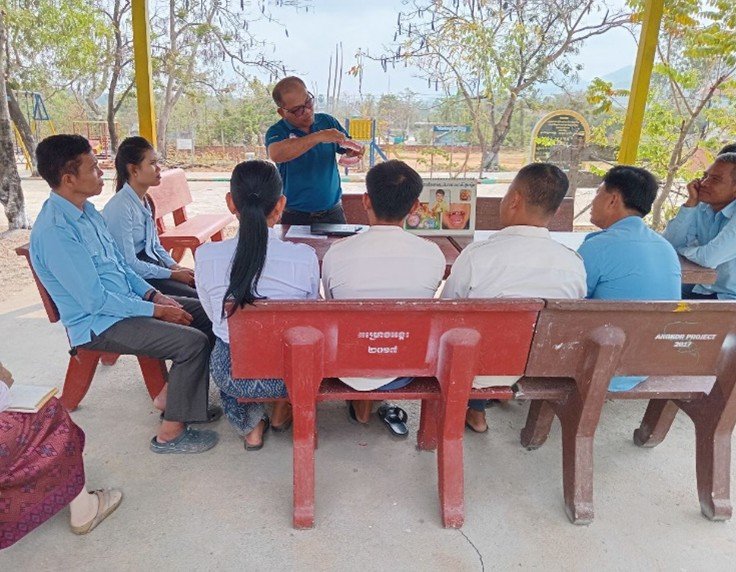
Dr. Kim Yon giving OHE training to teachers
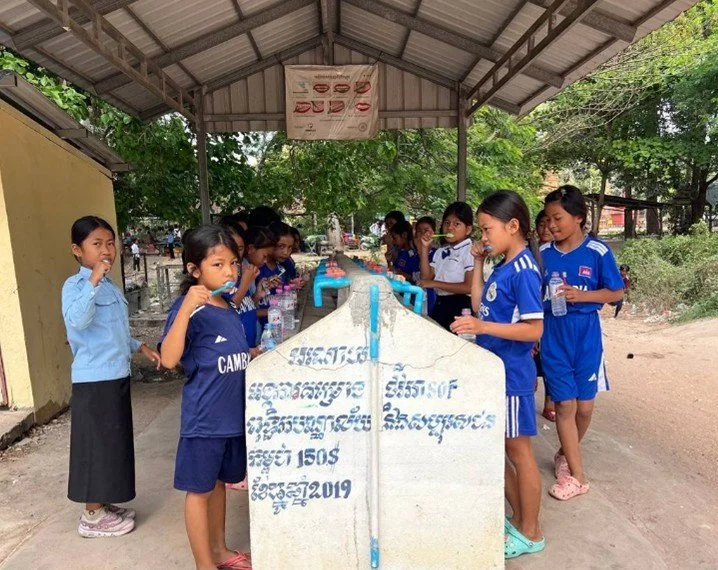
Children brushing teeth at washing facility at school
EDUCATION & EMPOWERNMENT : Expanding Opportunities
English Classes
1,600 students enrolled across 53 classes
Strong attendance rates of 90–96%, reflecting high student engagement
500 students progressed to higher learning levels
250 students received first aid training, building practical life skills and strengthening community resilience in areas with limited access to healthcare
2. Computer Classes
Computer classes officially integrated into Ranariddh High School curriculum, making it compulsory for Grade 10 & 11 students to attend the classes.
25 used laptops were purchased, funded by LUFF Foundation
566 students enrolled, with 68 graduated this quarter.
3. Non-Formal & Preschool Growth
Non-formal classes increased from 7 to 13
Student enrolment doubled to 459 students
Preschool expanded to 200 children
A new cost-sharing model where parents contributing 50% is improving sustainability while maintaining access.
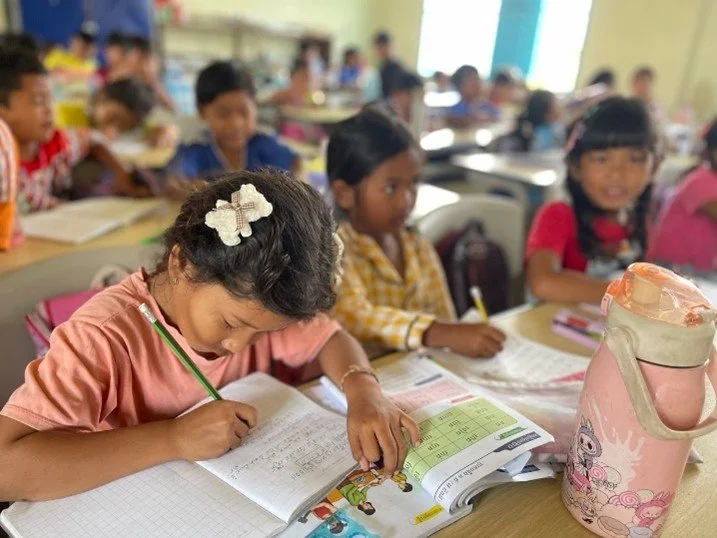
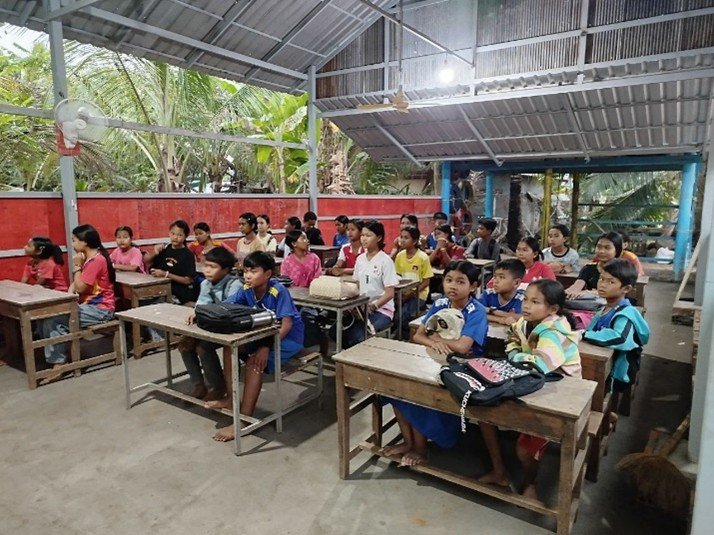
Non Formal class at Boeng Touk Primary School
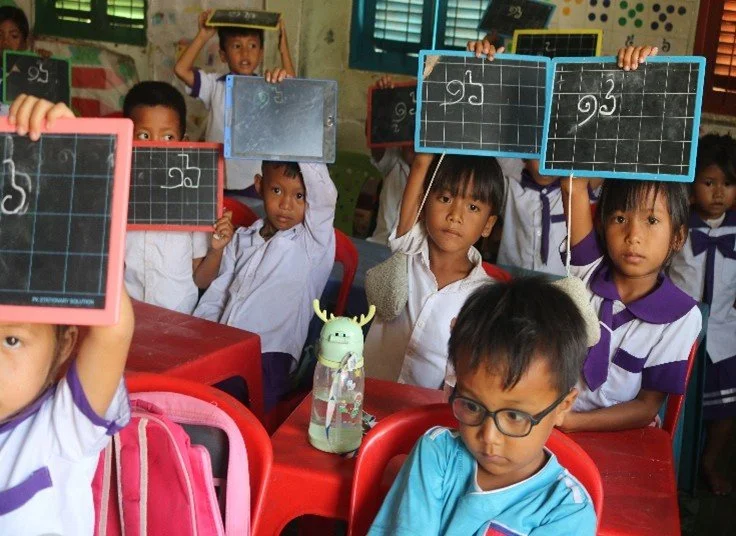
Pre school class at Tropeang Chrab Village
4. Mobile Library Outreach
Our mobile library program continues to expand access to books and learning opportunities, especially for children in remote and underserved communities.
During this quarter:
362 visits across 236 schools
54,000 students reached
This growth was supported by the addition of a new mobile library in Angkor Chey district, allowing us to reach 36 more schools and 4,000 additional students compared to the same period last year.
For many children in remote areas, access to books is limited. The mobile library brings reading materials directly to schools, helping students develop reading habits, confidence, and a love for learning.
In addition to literacy activities, our librarians also conduct food safety and plastic reduction awareness sessions, reinforcing positive habits alongside education.
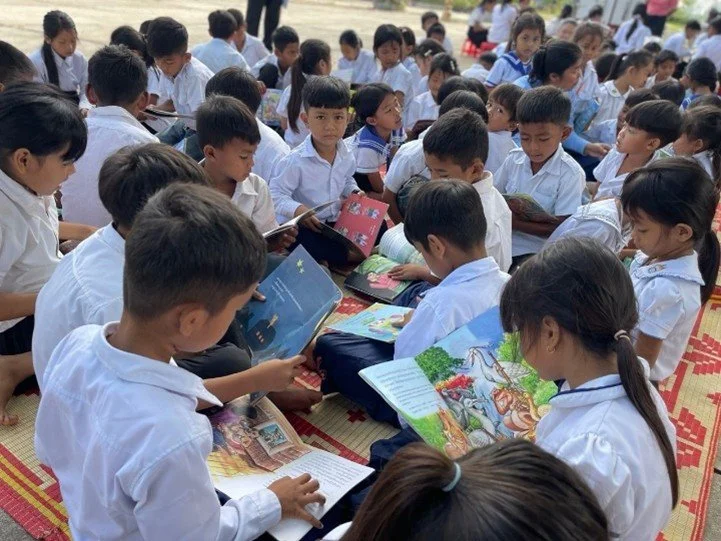
Students reading books at our mobile library in Angkor Chey
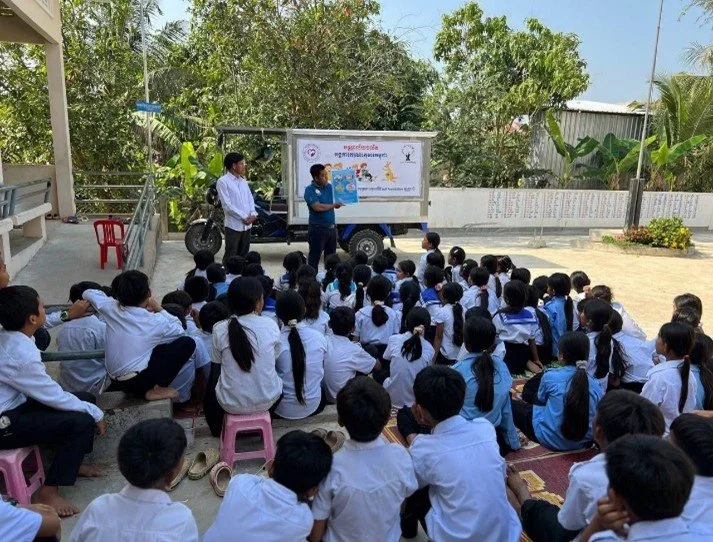
Our librarian conducting session of food safety and plastic reduction to students
Anlungkuki Community School (ACS)
We continued to provide holistic support to ACS, benefiting 254 students through education and life skills development.
Comprehensive Education: Students accessed English, non-formal, and preschool classes, along with life skills such as cooking, gardening, environmental care, traditional Khmer dance, and moral education.
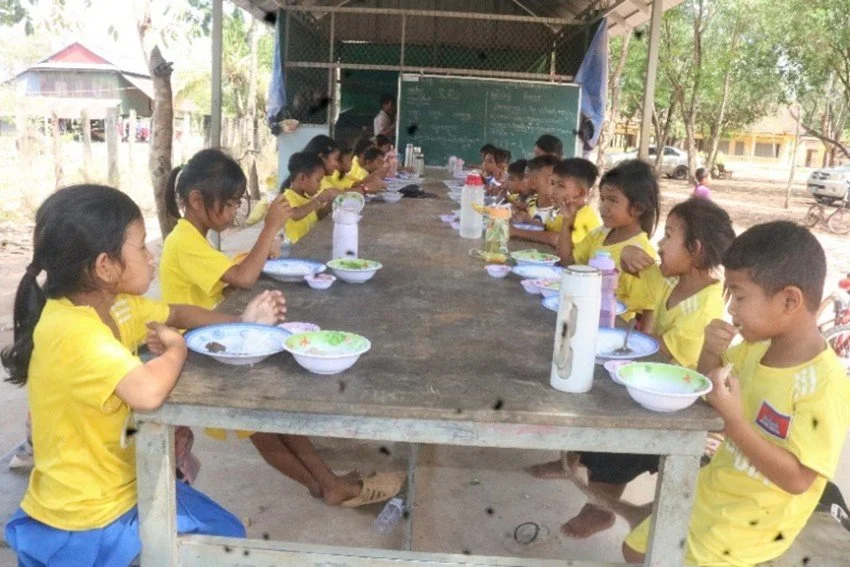
Support for Vulnerable Children: Preschool children from disadvantaged families received breakfast support, while selected students continued to receive monthly allowances, helping them stay in school and focused on their studies.
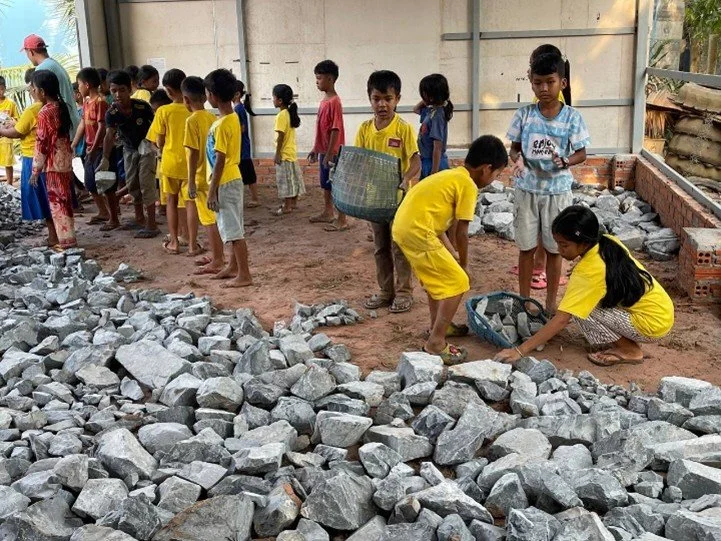
Improved Learning Environment: An old classroom was reconstructed and expanded, creating a safer and more comfortable space for learning. This upgrade was made possible through the generous support of Claudine from Australia and YourAid, significantly enhancing the school environment.
With continued support and improved facilities, ACS remains a vital community hub where children can learn, grow, and build confidence for their future.
STUDENT AID & CHILD ASSIST : Supporting Children to Stay and Succeed in School
We provide holistic support to children from vulnerable backgrounds, ensuring that financial hardship does not prevent them from accessing and continuing their education.
Nutrition Support: 34 children received daily school meals through our soup kitchen program, improving attendance and concentration. Encouragingly, 31 of these students achieved passing results this quarter.
Academic Support: 11 secondary and high school students received allowances for extra classes in key subjects such as Mathematics, Khmer, and Science, leading to improved academic performance, with nine students achieving passing results.
Support for Vulnerable Children: We continue to assist children facing challenging family circumstances, providing support for living and education expenses so they can remain in school and continue progressing.
Scholarship Program: Six scholarship students across disciplines such as engineering, dentistry, law, and English are progressing well. Two new students who joined in late 2025 have begun their studies and are adapting well.
By addressing basic needs, academic support, and financial barriers together, this integrated approach ensures that children are supported to stay in school, learn effectively, and build a better future
Support The Teng Family Children Living on Their Own
Among the children we support are three siblings currently living independently following the loss of their mother. Despite their circumstances, they remain committed to continuing their education.
They require approximately USD $150 per month for basic living expenses.
We are seeking sponsors, individual or share, to provide ongoing monthly support to them.
Your contribution will help provide stability, dignity, and the opportunity to continue their education.
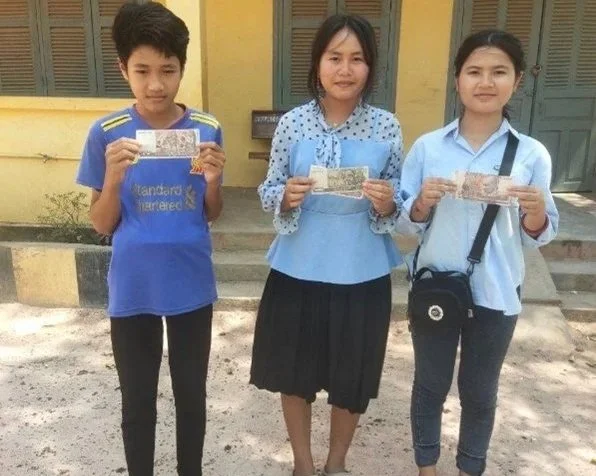
Teng Srey Pich (17, Grade 11), Teng Thida (16, Grade 10), and Teng Phanith (13, Grade 7
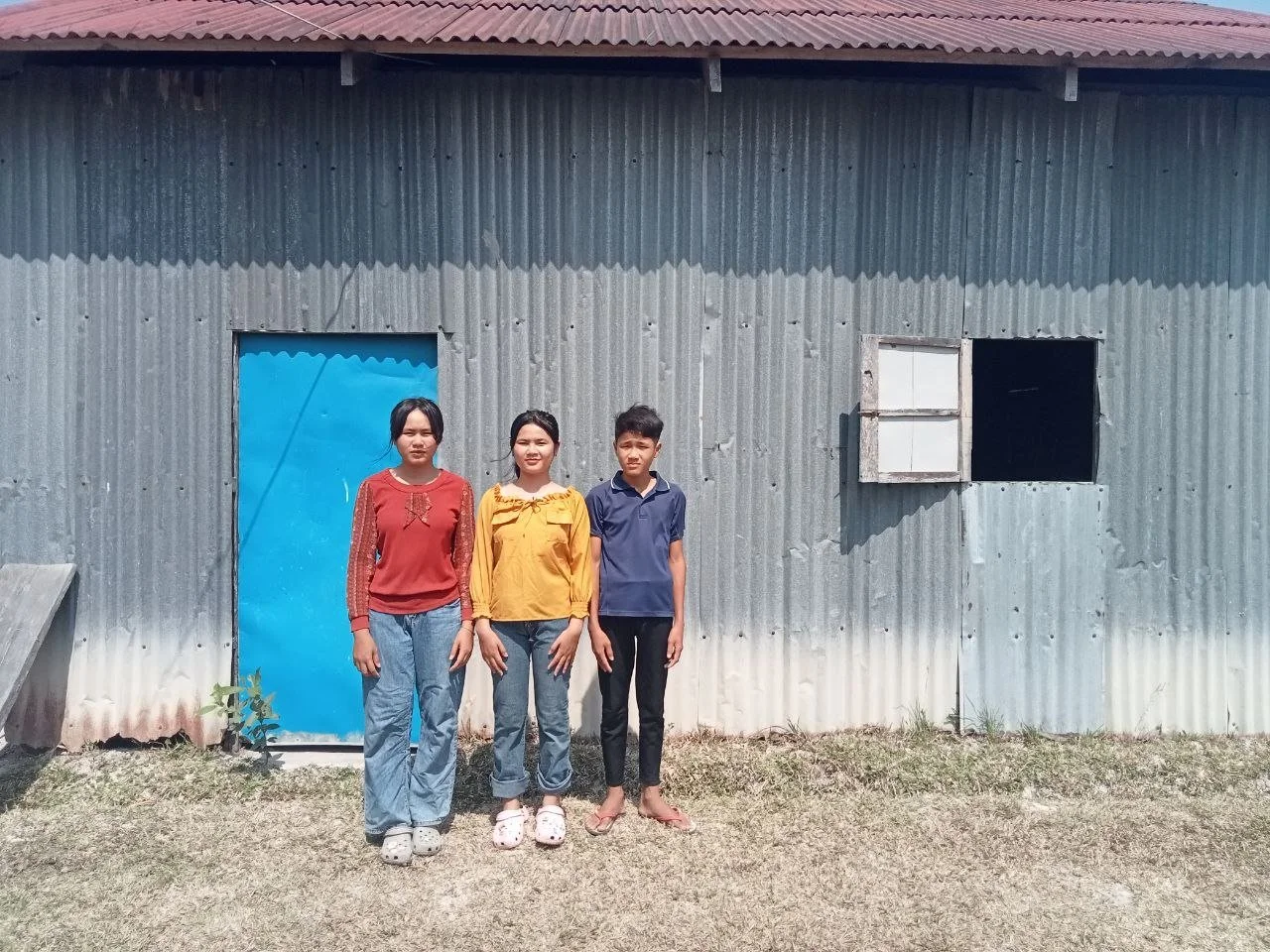
Three siblings in Anlungkuki village are now living on their own after their mother passed away
Model School Program:
Expanded to 20 schools
Improved hygiene, sanitation, and food safety standards
Strengthened student awareness of healthy eating, personal hygiene, and environmental responsibility
Schools maintain clean facilities and safer canteen practices
As a result, schools are becoming cleaner, safer, and more child-friendly learning environments.
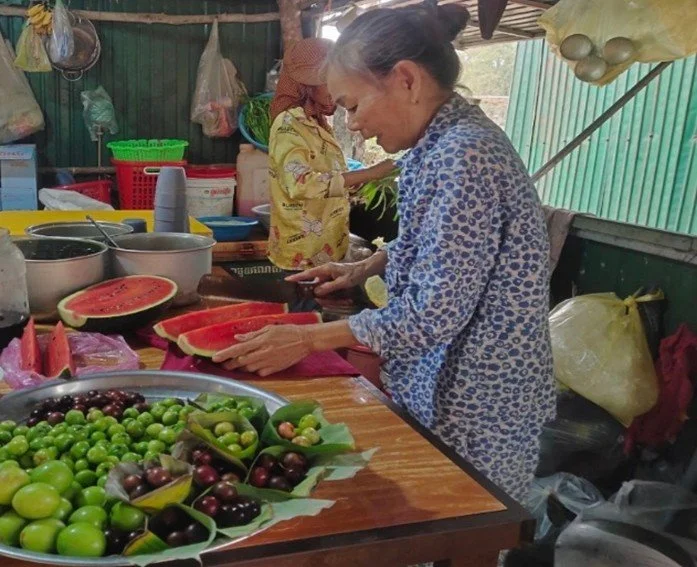
Canteen selling healthy Food
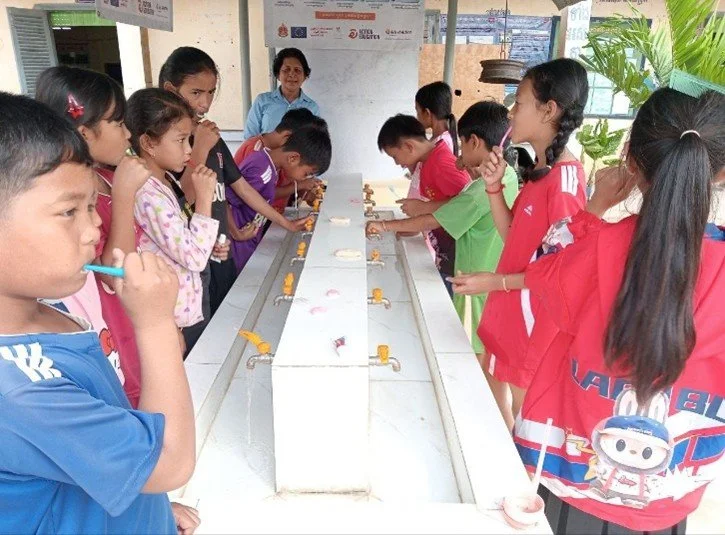
Children brushing teeth during class break.
Looking Ahead
As we move into the next quarter, our focus remains on:
Strengthening preventive health and education
Supporting schools sustainability
Managing rising operational costs without compromising impact
Your support enables us to continue delivering life-changing programs for children and communities in Cambodia.
$15 provides 10 durable water bottle,
$15 provides books through our mobile library program
$100 supports dental care for 5 children
$150 supports three vulnerable Teng children for one month
$250 helps provide clean drinking water
Every contribution, no matter the size, helps create lasting impact, improving health, education, and opportunities for children in need.